
Criminal Defense Attorney Allen Sawyer Explains on ABC10
Former California Prosecutor and Criminal Defense Attorney Allen Sawyer discusses juvenile justice, Proposition 57, and the legal questions surrounding a deadly Fairfield shooting.
A deadly shooting at a Fairfield, California, shopping center has raised serious questions about California’s juvenile justice system, including whether a 17-year-old accused of a violent crime can be prosecuted as an adult.
Northern California Criminal Defense Attorney Allen Sawyer appeared in ABC10’s coverage to provide legal insight into what could happen next, explaining how California law governs the transfer of juvenile cases to adult criminal court and why the decision involves far more than the seriousness of the allegations.
Sawyer, a former California prosecutor very familiar with violent crime cases, brings decades of criminal justice experience to the discussion.
Deadly Fairfield Shooting Raises Questions About Juvenile Justice
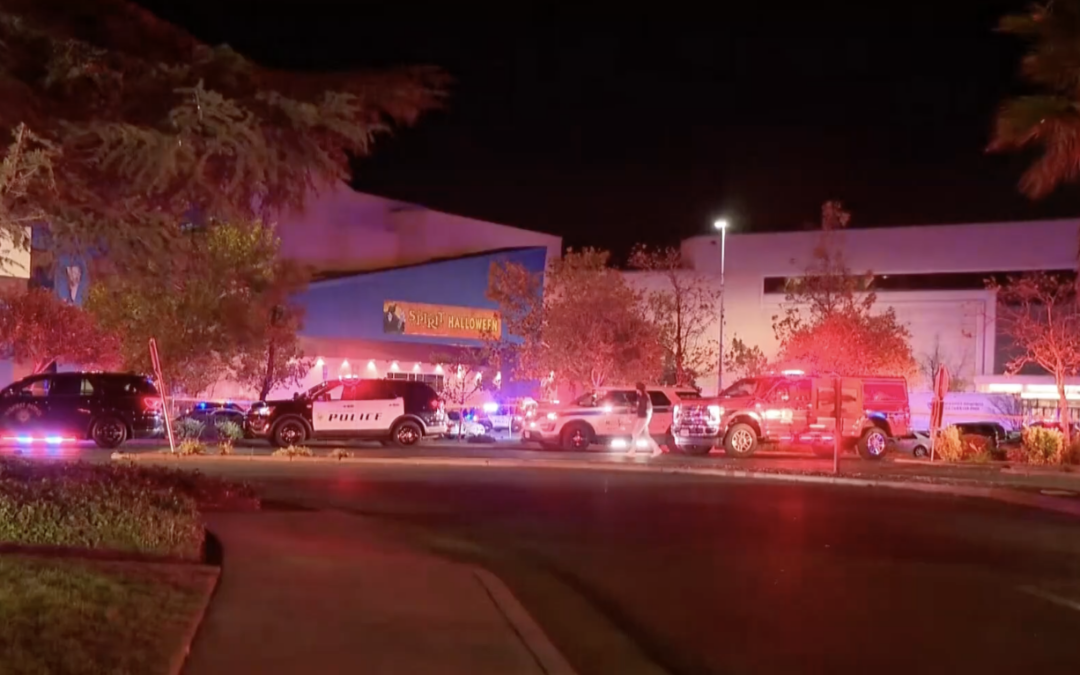
On October 30, 2026, a shooting inside a Spirit Halloween store at Solano Town Center in Fairfield left a pregnant woman dead and six other people injured.
Fairfield police arrested a 17-year-old suspect on November 2. Authorities also reported that the teenager had previously been involved in a separate shooting case in 2025.
The allegations have prompted public concern about juvenile accountability and the circumstances under which a minor accused of a serious violent crime may be tried as an adult.
But as Sawyer explained in ABC10’s reporting, a 17-year-old accused of murder does not automatically enter California’s adult criminal justice system.
California Proposition 57: Who Decides Whether a Juvenile Is Tried as an Adult?
Under Proposition 57, approved by California voters in 2016, prosecutors cannot independently decide to prosecute a juvenile directly in adult criminal court.
Instead, prosecutors must request a transfer, and a juvenile court judge must determine whether the case qualifies for adult criminal prosecution.
California Welfare and Institutions Code Section 707 establishes the legal framework for these proceedings.
A judge must evaluate several factors, including:
- Criminal sophistication: Whether the alleged conduct demonstrates planning, maturity, or sophistication.
- Rehabilitation potential: Whether the juvenile can be rehabilitated within the time available under juvenile court jurisdiction.
- Previous delinquent history: The nature and seriousness of the minor’s prior involvement with the juvenile justice system.
- Prior rehabilitation efforts: Whether earlier attempts at rehabilitation were successful and whether appropriate services were provided.
- Seriousness of the alleged offense: The circumstances of the alleged crime, the harm caused, and the juvenile’s alleged involvement.
The prosecution must establish by clear and convincing evidence that the juvenile is not amenable to rehabilitation while under juvenile court jurisdiction.
Why Mental Health, Trauma, and Personal History Matter
One of the important considerations Sawyer addressed in ABC10’s coverage is the role a juvenile’s individual circumstances can play in determining whether adult prosecution is appropriate.
Mental health concerns, childhood trauma, emotional development, family circumstances, and personal history may all be relevant to the judge’s evaluation.
These factors do not excuse criminal conduct. Rather, California law requires courts to examine whether a young person has the capacity for rehabilitation within the juvenile justice system.
At the same time, the court must consider the nature of the alleged crime, the defendant’s previous history, and the potential consequences of the conduct.
The central legal question is not simply whether the allegations are serious, but whether the prosecution can establish that the juvenile is not amenable to rehabilitation within the juvenile system.
How Long Does a Juvenile Transfer Hearing Take?
According to ABC10’s account of Sawyer’s analysis, the decision over whether the Fairfield suspect could be prosecuted as an adult might take weeks or months.
That is because a transfer proceeding requires more than a preliminary examination of the allegations.
The court must consider a probation report and relevant evidence presented by the prosecution and defense. The defense may present information concerning the juvenile’s background, development, mental health, and prospects for rehabilitation.
The judge must then determine whether the legal requirements for transfer have been satisfied.
A decision to transfer a case does not establish the juvenile’s guilt. The criminal charges must still be resolved through the appropriate legal proceedings.
Allen Sawyer’s Perspective: Experience on Both Sides of the Courtroom
As a former deputy district attorney in Stockton, Allen Sawyer prosecuted violent crimes before moving into criminal defense.
He later served as head of the California Governor’s Office of Criminal Justice Planning, where he oversaw criminal justice initiatives, law enforcement programs, and public safety policy.
Since founding his law practice in 2003, Sawyer has represented individuals facing serious state and federal criminal charges, including high-profile matters attracting substantial media attention.
His background provides an informed perspective on the competing considerations involved in juvenile justice: public safety, accountability, constitutional protections, and rehabilitation.
His appearance on ABC10 illustrates why an understanding of both prosecution and defense is valuable when explaining complex legal proceedings to the public.
Facing Serious Criminal Charges in California? Experienced Representation Matters.
Juvenile transfer proceedings and serious felony prosecutions can have consequences that affect an individual’s future for decades.
Whether a case involves allegations of violent crime, homicide, or another serious felony, knowledgeable legal representation is essential to protecting the accused person’s rights and ensuring that all relevant circumstances receive proper consideration.
LAW OFFICE OF ALLEN SAWYER PC represents clients in complex criminal defense matters throughout Northern California, with offices in Stockton, Sacramento, and San Jose.
To discuss a criminal defense matter, contact Attorney Allen Sawyer at (209) 645-0556 or fill out this form.
Watch the ABC10 coverage: What Happens Next for the 17-Year-Old Suspect in Deadly Fairfield Shooting.
Disclaimer: This article provides general information about California criminal law and does not constitute legal advice. The allegations discussed remain subject to legal proceedings, and the accused is presumed innocent unless proven guilty. Attorney Allen Sawyer’s participation in ABC10’s coverage does not indicate that he represents any party involved in the Fairfield case. Prior results do not guarantee a similar outcome.